
After-hours dental problems are stressful. Whether a severe toothache, a broken tooth or another urgent issue, quick action can reduce pain and limit complications. This guide summarizes common after-hours emergencies in Ottawa and practical steps for immediate care and pain control.
Types of Emergency Dental Services
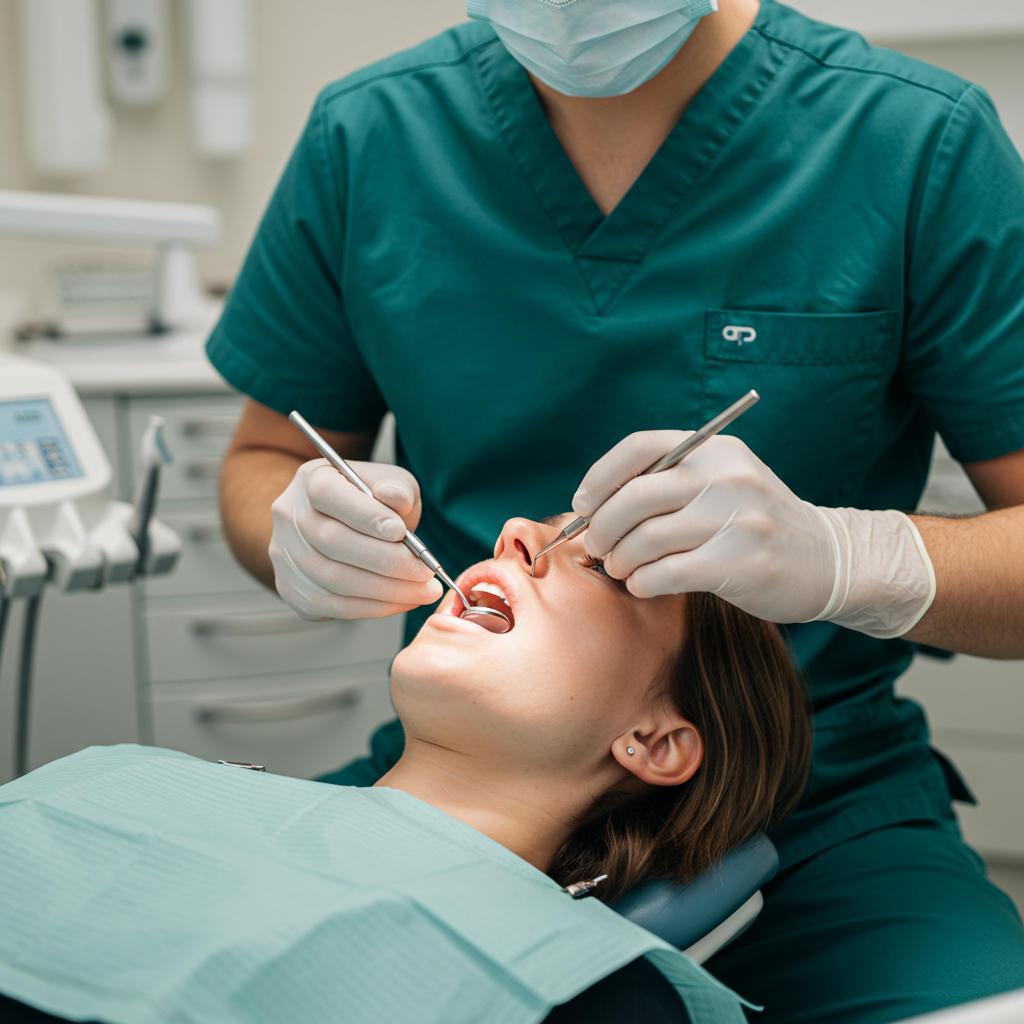
After-hours clinics focus on urgent, stabilizing treatments to control pain and infection until definitive care is scheduled.
- Same-Day Tooth Extractions: Removal when a tooth causes severe pain or risk of infection.
- Pain Relief Procedures: Short-term measures such as local blocks or prescription medications to control acute pain.
- Root Canals: Emergency root canal treatment to remove infection and preserve the tooth when possible.
These interventions aim to stop pain, reduce infection risk and stabilize the situation for follow-up care.
Accessing Emergency Dental Care
Seek care promptly. Use the steps below to find and prepare for after-hours treatment.
- Check for Walk-In and After-Hours Clinics: Many Ottawa clinics list late or weekend hours for urgent visits.
- Contact Clinics Before Visiting: Call ahead to describe symptoms so staff can prioritise and prepare.
- Prepare for Your Visit: Bring medical history, medications and insurance details to speed assessment.
Ottawa dentists often offer same-day or late appointments for trauma, severe pain and infection. For long-term replacement after emergency extraction, consider dental implants.
What to Do During a Dental Emergency
Follow clear, simple steps to get the right care fast.
- Identify the Emergency: Decide if the issue is urgent (severe pain, swelling, bleeding, trauma).
- Call a Clinic: Describe symptoms and follow advice about arrival or self-care.
- Bring Documents: Have ID, medical history and insurance information ready.
Managing Pain Before Treatment

If you must wait for appointment, use safe measures to ease pain and limit swelling.
- Cold Compress: Apply outside the cheek to reduce swelling and numb pain temporarily.
- OTC Pain Relievers: Use ibuprofen or acetaminophen per label or your clinician’s advice.
- Saltwater Rinse: Warm saltwater helps clean the area and reduce inflammation.
Contact Information for Emergency Dental Clinics in Ottawa
Save local emergency numbers so you can call quickly.
- Ottawa South: (613) 736-5000
- Montreal Road: (613) 656-1400
- Walkley Road: (613) 907-9119
Call these clinics for after-hours care, or contact Ottawa dentist services for general enquiries and appointments.
What Are After Hours Dental Emergencies and How to Recognize Them?
Emergencies occur outside regular hours and require prompt attention. Recognize key signs to get timely help.
- Severe Toothaches: Persistent, severe pain may indicate infection.
- Broken or Knocked-Out Teeth: Immediate care improves chances of saving a tooth.
- Swelling or Signs of Infection: Facial or gum swelling can signal a spreading infection.
Situations That Require Urgent Attention
Seek urgent professional care for continuous severe pain, uncontrollable bleeding, facial swelling or traumatic injuries to the mouth.
- Persistent Severe Pain: Needs assessment to determine cause and treatment.
- Swelling or Bleeding: May require drainage, medication or other urgent steps.
- Trauma: Displaced or fractured teeth and soft-tissue injuries need quick attention.
Tips for Immediate Response
Quick, correct actions can protect teeth and reduce complications.
- Knocked-Out Teeth: Handle by the crown, rinse briefly, and reinsert if possible; otherwise store in milk and see a dentist right away.
- Control Bleeding: Apply firm pressure with clean gauze or cloth until bleeding slows.
- Seek Professional Help: If symptoms worsen or do not improve, go to emergency dental services promptly.
How to Differentiate Urgent Conditions from Non-Emergency Issues?
Assess urgency by pain intensity, swelling, signs of infection and impact on eating, sleeping or breathing. Severe, worsening or spreading symptoms are urgent.
- Severe vs Mild Pain: Severe, unrelenting pain needs immediate care.
- Risk of Complications: Infections and trauma can worsen quickly without treatment.
- Overall Urgency: Consider symptom severity and daily impact when deciding to seek care.
What Immediate Steps Can You Take for Dental Pain Relief and Home Care?
Use safe home measures to ease symptoms until you can see a dentist.
- Home Remedies: Clove oil may provide temporary relief; use sparingly and avoid swallowing.
- Watch for Worsening Signs: Increasing swelling, fever or spreading pain require immediate attention.
- Maintain Oral Hygiene: Gentle brushing and rinsing help keep the area clean.
When Is Self-Care Insufficient and You Must Seek Emergency Dental Service?
See emergency care if pain or swelling persists, fever develops, or symptoms interfere with eating or breathing—delays can worsen outcomes and increase costs.
- Persistent Severe Symptoms: Don’t rely on self-care if symptoms persist.
- Signs of Infection: Fever or spreading redness are red flags.
- Long-Term Risks: Untreated emergencies often lead to more complex treatment later.
How to Access After Hours Emergency Dental Services in Ottawa?
Locate clinics that list late hours, confirm available services, and have your medical and insurance details ready before you call or arrive.
- Find Local Clinics: Look for clinics advertising late-night or weekend hours.
- Confirm Services: Ensure the clinic can treat your specific emergency.
- Prepare Information: Have medical history and insurance details to speed intake.
What Should You Expect During Emergency Dental Procedures After Hours?
An emergency visit typically includes a rapid assessment, immediate steps to control pain or infection, and a clear follow-up plan.
- Initial Assessment: Quick exam to identify the urgent issue.
- Immediate Treatment: Pain control, temporary repairs or medications as needed.
- Follow-Up Plan: Instructions for further care or scheduled definitive treatment.
How Are Costs and Insurance Typically Managed for Emergency Dental Services?
Costs vary by treatment and urgency. Ask about fees upfront, check your insurance for emergency coverage and plan for possible out-of-pocket expenses.
- Cost Variability: Prices depend on the procedure and complexity.
- Insurance: Review coverage for emergency services before your visit if possible.
- Budgeting: Be prepared for unexpected costs or partial coverage.
Frequently Asked Questions
1. What are common dental emergencies that require immediate attention?
Severe toothaches, knocked-out or fractured teeth, visible swelling, bleeding and trauma are common; seek prompt care to prevent complications.
2. How can I prepare for a dental emergency?
Keep a list of emergency contacts, store medical and insurance details where you can access them quickly, and note nearby after-hours clinics.
3. What should I do if my tooth is knocked out?
Hold the tooth by the crown, rinse gently without touching the root, attempt to reinsert if possible, or keep it in milk/saline and see a dentist immediately.
4. Are there alternative treatments for dental pain at home?
Use OTC pain relievers, cold compresses and warm saltwater rinses for temporary relief; these do not replace professional treatment.
5. How do I find an emergency dental clinic near me?
Search online for after-hours clinics, check reviews, confirm they handle your issue and call ahead to verify availability.
6. What impacts the cost of emergency dental services?
Cost depends on required treatment, its complexity and insurance coverage. Discuss options and pricing with your dentist to avoid surprises.
7. Can I visit an emergency room for a dental issue?
ERs can stabilize severe pain, bleeding or infection but usually refer you to a dental clinic for definitive dental procedures.