By Vineet Sidhu, Family Dental Care – Ottawa South – Emergency Dental Services
Regular dental checkups are fundamental to family oral health. They catch problems early and emphasize prevention. Many families underestimate their value, which can lead to long‑term issues. This article explains why checkups matter, the benefits they offer, what to expect during visits, how to care for teeth between appointments, and why scheduling is important.
Benefits of Dental Checkups
Routine checkups deliver clear benefits for every family member. They identify issues early, making treatment simpler and more effective. Preventive care reduces long‑term costs by avoiding major procedures. Visits also teach proper oral hygiene so everyone maintains healthy habits.
Research shows economic advantages for families that prioritize early, regular dental care.
Economic Benefits of Early Dental Visits for Families
Cost–benefit results indicate a lower annual cost and a reduced economic burden for individual families.
Cost‑benefit analysis of the age‑one dental visit for the privately insured, A Zavras, 2015
Families in Ottawa gain peace of mind from regular checkups and professional monitoring of oral health. If you need a reliable service, you might want to contact an Ottawa dentist to learn about local options.
Role in Preventive Care
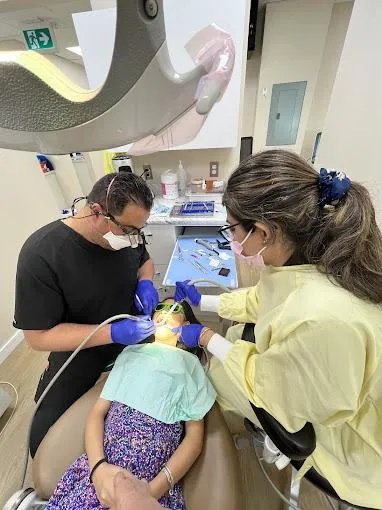
Prevention is central to dental checkups. Dentists monitor each family member, apply fluoride when needed, and address developmental concerns. Prioritizing prevention helps families avoid more complex problems later. Checkups also give dentists an opportunity to reinforce good home hygiene.
What Occurs During a Typical Family Dental Checkup
A typical family checkup follows a few standard steps. The dentist examines teeth and gums for signs of decay or disease, and a professional cleaning removes plaque and tartar. After the exam, the dentist provides feedback and personalized recommendations for each person.
What Are the Key Benefits of Regular Family Dental Checkups?
Regular checkups deliver benefits beyond oral care. They support preventive treatment, which cuts future treatment costs. They also support overall health, since oral health is linked to general wellbeing.
How Do Dental Checkups Prevent Oral Health Issues?
Checkups prevent problems by spotting cavities and gum disease early. Regular visits let dentists intervene before issues worsen. Professional cleanings maintain oral hygiene and reduce the risk of complications.
Research further supports the cost–benefit of consistent checkups in preventing dental caries.
Cost-Benefit of Regular Dental Checkups for Caries Prevention
The cost of two regular checkups per year is 2,678,544 million won. The indirect cost of a regular checkup is 2.6 times the direct cost. The cost of fissure sealant plus two annual checkups is 4,289,538 million won, and the benefit is 69,460,691 million won. The benefit of fissure sealant plus two annual checkups is 16.2 times the cost.
The study of cost‑benefit analysis on fissure sealant and regular checkup for prevention of dental caries, 2002
What Are the Long-Term Advantages for Children and Adults?
Regular checkups offer long‑term gains for children and adults. Good habits started early support a lifetime of healthy teeth and gums. Preventive visits usually cost less than treating advanced issues, so they save money over time. They can also benefit overall health.
What Happens During a Typical Family Dental Checkup?
A family checkup follows a clear routine: a full exam of teeth and gums, a cleaning to remove plaque and tartar, then a discussion of findings with tailored home‑care advice.
Which Procedures Are Included in a Dental Checkup?
Common procedures in a checkup include:
- Teeth Cleaning: Essential for removing plaque and tartar buildup.
- Gum Examination: Checking for signs of gum disease.
- Discussion of Results: Providing feedback and recommendations for future care.
Together, these steps ensure each family member’s oral health is assessed and kept on track.
How Do Checkups Detect Early Signs of Dental Problems?
During checkups, dentists spot subtle changes that may indicate underlying issues. Early action prevents more serious complications. Visits also provide opportunities to reinforce good hygiene and preventive habits.
How Can Families Maintain Oral Health Between Checkups?
Keeping mouths healthy between visits matters. Try these practical tips:
- Brushing and Flossing: Encourage regular brushing twice a day and daily flossing.
- Healthy Diet: Promote a balanced diet that supports oral health.
- Regular Hydration: Drinking plenty of water helps maintain saliva production, which is vital for oral health.
Following these habits helps families support oral health and reduce the risk of dental issues.
What Are Effective Dental Hygiene Routines for All Ages?
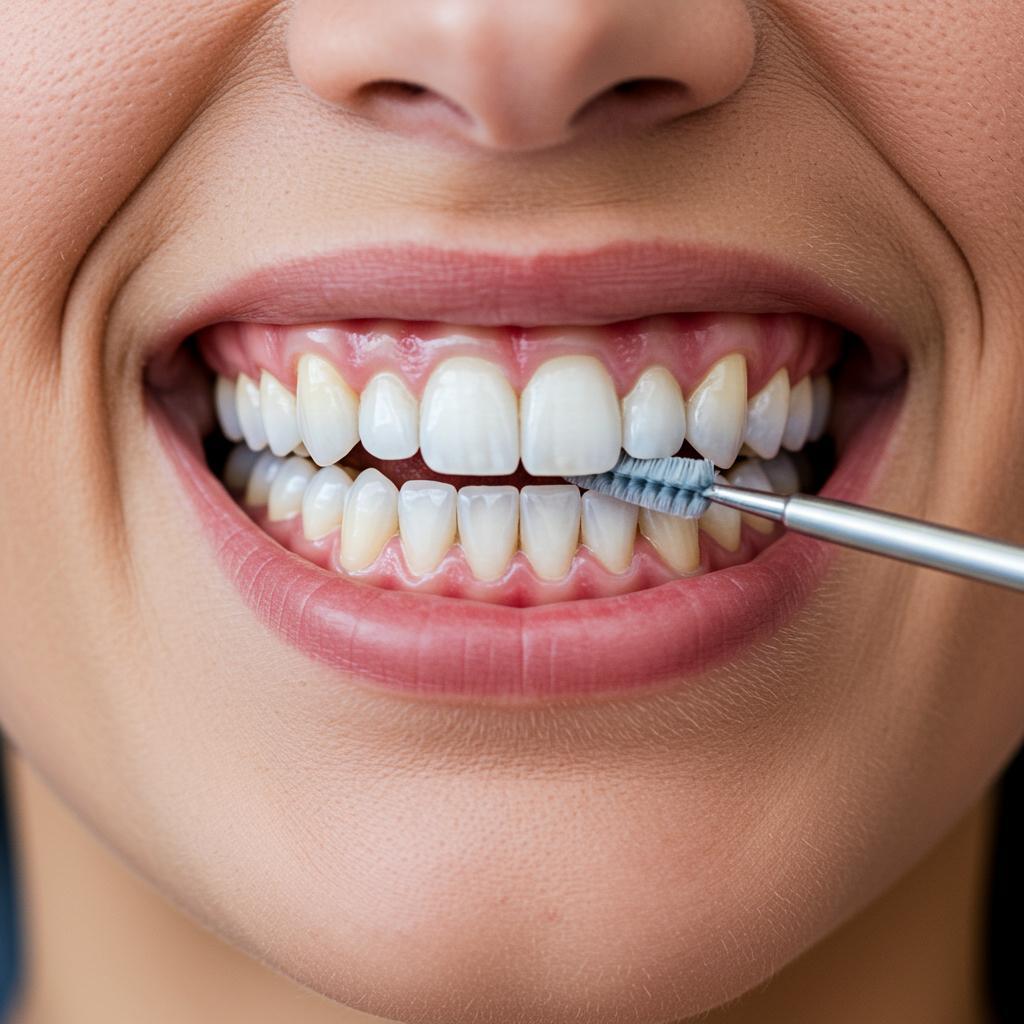
Routines differ by age but share basics. For children, use supervised brushing and playful learning to build habits. Adults should stick to consistent brushing, flossing, and regular visits. Tailoring routines to each age group’s needs helps maintain optimal oral health.
How Does Preventive Dental Care Support Kids’ Oral Health?
Preventive care matters especially for children. Regular checkups teach good habits and catch issues like cavities or misalignment early. That sets a foundation for lifelong dental health.
For children, early and consistent preventive visits have been shown to significantly reduce the incidence of dental caries.
Early Preventive Dental Visits Reduce Caries in Children
The results showed a lower dmft value (adjusted OR: 0.69, 95% CI: 0.48–0.84), a higher rate of caries‑free (aOR: 6.5, 95% CI: 3.93–10.58), and a lower rate of untreated dental caries (aOR: 0.40, 95% CI: 0.21–0.76) were associated with early PDV utilization.
Effects of early preventive dental visits and its associations with dental caries experience: a cross‑sectional study, X Qu, 2022
How to Schedule and Prepare for Your Family’s Dental Checkup?
Booking and preparing is straightforward. Aim to schedule appointments every six months so all members are seen. Bring any needed documents and mention concerns to the dentist before the visit to make it productive.
What Should Families Know About Booking Appointments?
When booking, choose times that fit your family so no one misses their checkup. Knowing the process and what to expect can help reduce anxiety about appointments.
Are Dental Checkups Covered by Insurance?
Many dental plans cover routine checkups, making them more affordable for families. Check your policy for details on frequency and covered procedures. Ask about direct billing to simplify payment.
For those considering more advanced treatments, dental implants are an option to explore for restoring your smile and oral function.
Frequently Asked Questions
What Age Should Children Start Visiting the Dentist?
Children should have their first dental visit by their first birthday or within six months after their first tooth. Early visits create a dental home, allow monitoring of oral development, and introduce preventive care. This proactive step helps identify issues early and supports healthy habits from a young age.
How Often Should Families Schedule Dental Checkups?
Aim for checkups every six months. This lets dentists monitor oral health, perform necessary cleanings, and catch problems early. Some individuals may need more frequent visits based on their needs, so follow your dentist’s recommendations.
What Should Families Do If They Miss a Dental Appointment?
If you miss an appointment, contact the dental office as soon as possible to reschedule. Maintaining regular checkups is important for ongoing oral health. Depending on how long it’s been, the dentist may suggest a more comprehensive evaluation to catch up on care.
Are There Any Special Considerations for Seniors Regarding Dental Checkups?
Seniors can have unique dental needs, such as dry mouth or gum disease. Regular checkups are crucial to monitor these conditions and provide tailored preventive care. Dentists can also advise on managing medications that affect oral health.
How Can Parents Encourage Their Children to Maintain Good Oral Hygiene?
Parents can make oral care fun and engaging: brush together, use colorful toothbrushes, and include educational games. Reward systems for consistent brushing and flossing can motivate children. Relatable explanations help build lifelong habits.
What Are the Signs That Indicate a Need for an Urgent Dental Visit?
Urgent signs include severe tooth pain, swelling of the gums or face, bleeding gums, or a knocked‑out tooth. These symptoms may signal serious issues needing immediate attention. Prompt care can prevent complications and improve outcomes.